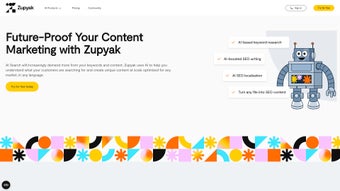

Download Zupyak – AI‑Powered SEO Optimization and Content Creation Tool
Overview
Zupyak is an AI‑driven platform designed to simplify the often‑complex world of search‑engine optimization and content creation. In today’s competitive digital landscape, businesses of all sizes need a reliable way to generate SEO‑friendly copy without hiring costly agencies or spending countless hours on keyword research. Zupyak answers that call by combining natural‑language generation with real‑time SEO analytics, allowing users to produce blog posts, product descriptions, landing‑page copy, and meta tags that are already tuned for higher rankings.
The tool works across multiple niches, automatically suggesting target keywords, optimal content length, heading structures, and internal linking opportunities. Its intuitive dashboard presents a step‑by‑step workflow: you input a topic or a brief, Zupyak suggests a headline, outlines the article, and then writes a full draft ready for a quick human edit. By automating repetitive tasks such as keyword clustering, LSI term inclusion, and meta‑description crafting, Zupyak frees up marketing teams to focus on strategy and creative refinement.
The result is a faster content pipeline, improved on‑page SEO, and ultimately more organic traffic that can translate into leads and sales. Whether you’re a solo entrepreneur, a content agency, or an in‑house marketing department, Zupyak aims to be the single‑click solution that turns ideas into searchable, high‑performing web pages.
Key Features that Set Zupyak Apart
- AI‑Generated SEO Drafts: Produce complete articles, product copy, and ad snippets that already contain target keywords, LSI terms, and proper heading hierarchy.
- Keyword Research Assistant: Integrated tool that scrapes Google SERPs, suggests long‑tail keywords, and displays competition metrics in a single view.
- Meta Tag Optimizer: Automatic generation of title tags, meta descriptions, and schema markup snippets that comply with Google’s best practices.
- Content Structure Builder: Smart outline creator that maps out H1‑H3 hierarchy, bullet points, and call‑to‑action placement for better readability.
- Plagiarism & Uniqueness Checker: Built‑in scanner ensures every piece of content is original and safe for publishing.
- Multi‑Platform Support: Works seamlessly on Windows, macOS, Android, and iOS via a responsive web app.
- One‑Click Export: Export drafts to Word, Google Docs, or directly publish to WordPress, HubSpot, and other CMS platforms.
- Performance Dashboard: Real‑time analytics that track keyword rankings, click‑through rates, and traffic uplift after publishing.
- Collaboration Mode: Invite team members, assign roles, and leave inline comments for streamlined editorial workflows.
- Regular AI Model Updates: Monthly improvements keep the language model aligned with the latest SEO algorithm changes.
Installation, Setup, and Compatibility
Getting started with Zupyak is intentionally frictionless. Because the application is hosted in the cloud, there is no traditional “installation” process for desktop users. Simply navigate to the official Zupyak website, click the Sign‑Up for Free button, and create an account using an email address or single sign‑on via Google or Microsoft. After verification, you’ll be taken to the main dashboard where a short onboarding wizard guides you through essential settings such as preferred language, default target market, and integration preferences (e.g., WordPress API key or Google Search Console connection). The wizard also asks you to select your primary operating system to tailor the UI experience; Zupyak automatically detects whether you’re on Windows, macOS, Android, or iOS and adjusts the layout accordingly.
For users who prefer a native feel, Zupyak offers lightweight desktop wrappers built with Electron for Windows 10/11 and macOS Ventura or later. The wrappers download as a .exe or .dmg file, respectively, and require a standard installation (drag‑and‑drop for macOS). Mobile users can install the Zupyak app directly from the Google Play Store or Apple App Store; both versions are optimized for touch interaction and support offline draft saving, which syncs once you reconnect to the internet. System requirements are modest: at least 4 GB RAM, a modern browser (Chrome, Edge, or Safari), and a stable internet connection (minimum 3 Mbps). Because all AI processing occurs on Zupyak’s servers, the client side remains lightweight, ensuring quick load times even on older hardware.
Once logged in, the first step is to create a new project. Choose “SEO Blog Post,” enter your topic, and let the AI suggest a headline and keyword list. After reviewing the suggestions, click Generate Draft.
The platform will present a fully formatted article with headings, bullet points, and meta data ready for a quick edit. If you need to integrate with existing tools, Zupyak’s API key can be found under Account → Integrations**, allowing developers to push content directly into custom pipelines. Overall, the onboarding experience takes less than five minutes, and the intuitive UI ensures that both seasoned marketers and beginners can start producing high‑quality, SEO‑optimized copy almost instantly.
Supported operating systems: Windows 10/11, macOS Ventura+, Android 8.0+, iOS 13+
Pros, Cons, and Frequently Asked Questions
Pros
- Rapid content generation saves time and reduces reliance on external agencies.
- Integrated keyword research eliminates the need for separate SEO tools.
- Cross‑platform accessibility ensures you can work from any device.
- Built‑in plagiarism checker guarantees originality.
- Regular AI updates keep the tool aligned with Google algorithm changes.
Cons
- AI‑generated drafts still require human editing for brand voice consistency.
- Advanced analytics are locked behind the paid tier.
- Internet dependency means offline work is limited to draft saving.
- Pricing for larger teams can become expensive compared to basic SEO plugins.
- Learning curve for the full suite of features may be steep for beginners.
Frequently Asked Questions
Is Zupyak free to use?
Zupyak offers a free tier that includes up to three AI‑generated articles per month, basic keyword suggestions, and meta tag creation. For unlimited usage and advanced analytics, you’ll need to upgrade to a paid plan.
Can Zupyak integrate with WordPress?
Yes. Zupyak provides a native WordPress plugin and an API key that lets you publish drafts directly to your site or schedule them for later publishing.
How does Zupyak ensure content is SEO‑friendly?
The AI model incorporates real‑time SERP data, keyword density analysis, and on‑page SEO best practices. It automatically adds LSI terms, optimizes heading structures, and generates meta tags that adhere to Google’s guidelines.
Is my data safe with Zupyak?
Zupyak uses end‑to‑end encryption (TLS 1.3) for all data transfers and stores content on secure, ISO‑27001‑certified servers. Your drafts are private and can be deleted permanently at any time.
What support options are available?
Free users receive access to a community forum and a knowledge base. Paid subscribers get 24/7 live chat, email support, and priority response times.
Overall Rating: 4 out of 5 stars – Zupyak delivers impressive AI‑driven SEO content creation, though teams should budget for the premium tier to unlock its full potential.
Conclusion & Call to Action
In a market where fresh, optimized content is the lifeblood of organic growth, Zupyak stands out as a practical, AI‑powered ally. It bridges the gap between creativity and technical SEO, letting marketers produce rank‑ready copy without juggling multiple tools. While the free version is sufficient for occasional blog posts, serious content teams will find real value in the paid plans that unlock unlimited drafts, deeper analytics, and seamless CMS integration. If you’re looking to accelerate your publishing schedule, reduce outsourcing costs, and improve your site’s visibility on Google, it’s time to give Zupyak a try. Click the button below to download the free version, start your 14‑day trial of the premium plan, and experience a smoother, data‑driven approach to SEO and content creation.



.png)